Trash disposalUpdated November 18, 2026By USA Trash Removal Team
Can Trash Make You Sick? How to Keep Garbage From Becoming a Health Problem
Open a bin that's sat in the August sun for four days and you already know the answer. Can trash make you sick? Not usually by itself, but what grows in it and what it attracts can. A few habits keep that in check.
The Short Answer: Trash Itself Is Rarely the Problem
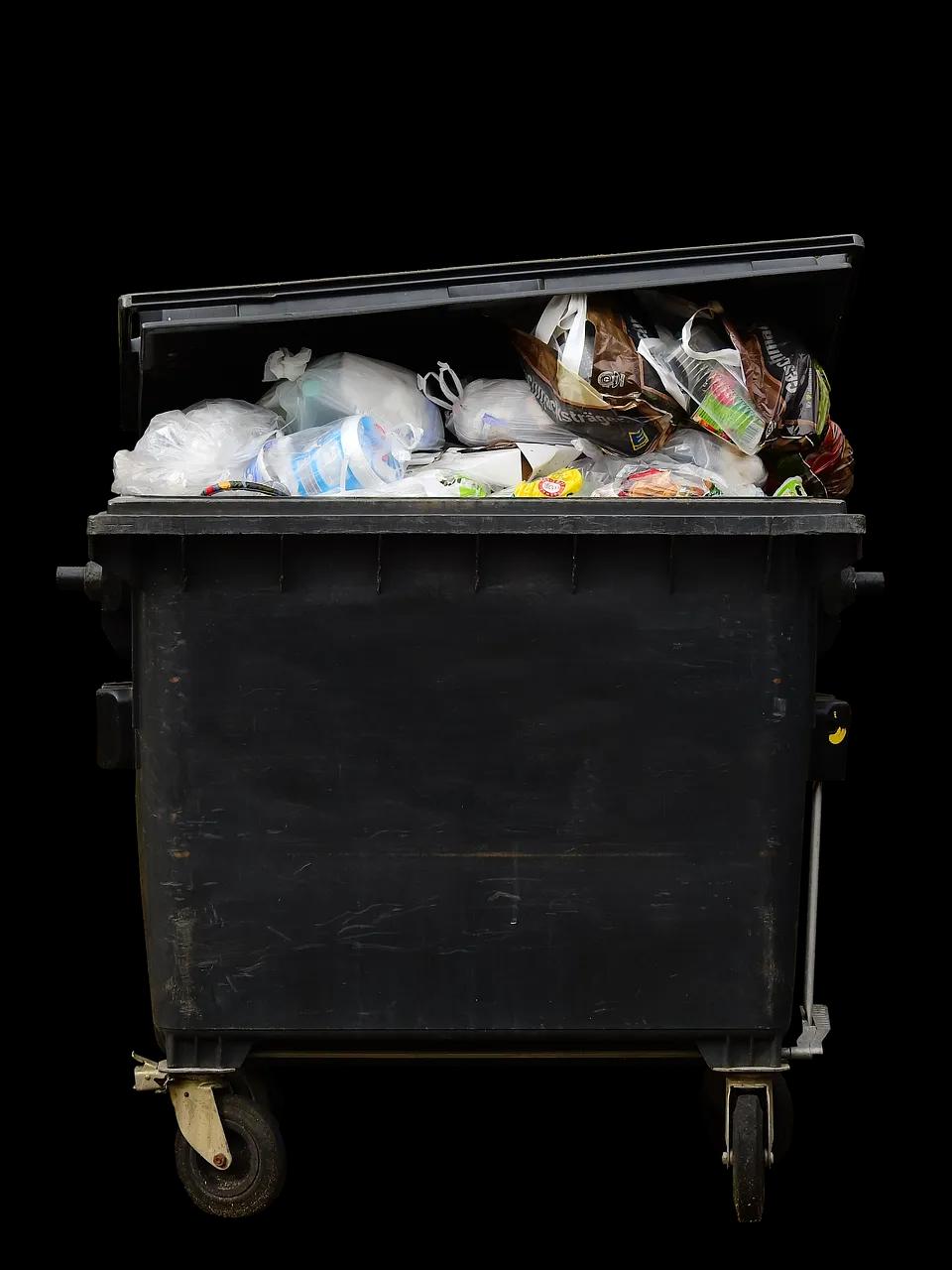
Trash can contribute to illness, but usually indirectly. Rotting food grows bacteria and mold, garbage attracts flies, roaches and rodents that carry germs, and sharp debris causes cuts. Keeping trash sealed, emptied often and away from living spaces removes most of that risk.
A tidy bag of dry packaging in the garage won't hurt anyone. The trouble starts with three things: food waste left to rot, standing water, and piles that sit long enough for pests to move in.
We're a junk removal company, not doctors. Everything below is practical household hygiene. If you feel unwell, have a cut that looks infected, or have breathing problems you think are linked to mold or a dirty space, see a doctor.
How Household Trash Turns Into a Hygiene Risk
Household trash becomes a hygiene risk through four routes: food waste that rots and grows bacteria and mold, pests drawn to the smell, sharp or broken items that cause injuries, and wet materials that grow mold indoors. Each one has a simple fix.
Rotting food and liquids
Meat scraps, dairy and juice leaks are the worst offenders. They break down fast in warm weather and leave a sticky film at the bottom of the can that keeps smelling long after the bag is gone.
Pests that follow the smell
Flies, roaches, ants and rats all find garbage quickly. They don't stay in the bin. They walk across counters, pantry shelves and pet bowls, carrying whatever they picked up along the way.
Cuts and scrapes
Broken glass, rusty metal, nails in old furniture and torn sheet metal from appliances cause more everyday injuries than people expect. Wear gloves when you handle bulky junk, and wrap broken glass before it goes in a bag.
Mold on wet materials
Soaked carpet, cardboard and mattresses grow mold quickly in a humid climate. Once it's in the fibers, cleaning rarely gets it all out.
| Type of trash | Why it becomes a problem | Practical fix |
|---|---|---|
| Food scraps and meat | Rots fast, smells, draws flies and rodents | Bag tightly, take out daily in hot weather |
| Leaking bags and liquids | Leaves residue that keeps smelling | Drain liquids first, rinse the can regularly |
| Wet carpet, cardboard, mattresses | Grows mold in humid air | Get it out of the house within a day or two |
| Bulky furniture and boxes | Becomes shelter for roaches and rodents | Schedule a pickup instead of storing it |
| Broken glass and metal | Cuts and punctures | Wear gloves, wrap sharp pieces, label the bag |
| Open containers outdoors | Collect rainwater where mosquitoes breed | Tip out water, cover or remove the items |
Why Trash Goes Bad Faster in South Florida
Heat, humidity and frequent rain speed up everything that makes trash unpleasant. Food rots faster, bins bake in the sun, mold grows on anything damp, and any container that holds rainwater can breed mosquitoes. South Florida homes need tighter trash habits than cooler places.
A kitchen bag that's fine for three days in a cool climate can be unbearable here in one. Summer afternoons often bring a downpour, and an uncovered bin or an old tire in the yard fills with water by evening.
Mosquitoes need surprisingly little water to breed. Old planters, buckets, kids' toys, a tarp sagging over a junk pile: all of it counts. Clearing out unused items in the yard is one of the easiest ways to cut down on bites.
Old appliances, boxes and scrap left in a yard hold rainwater and give pests cover. Our crew can haul it all, including fridges, water heaters and AC units, through our bulk trash pickup service.
Simple Trash Habits That Keep a Home Healthy
Use lidded cans, line them with strong bags, take food waste out daily in hot weather, rinse bins every week or two, keep outdoor cans shaded and closed, and wash your hands after handling garbage. None of it takes long, and together it stops most smells and pests.
- 1Use a can with a lid that closes tightly, indoors and out.
- 2Double-bag meat, fish and anything wet, and tie bags closed.
- 3Take kitchen trash out every day when it's hot, even if the bag isn't full.
- 4Rinse cans with soapy water every week or two and let them dry upside down.
- 5Keep outdoor bins in the shade with lids shut, away from doors and windows.
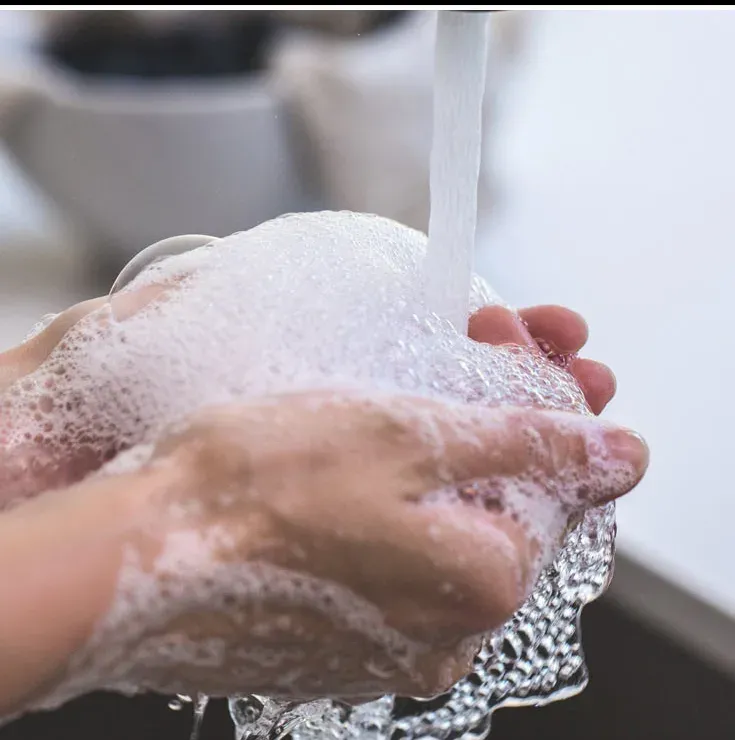
- 6Wash your hands with soap after handling garbage or cleaning bins.
- 7Put bins out the night before collection, not days ahead.
Recycling helps too. Rinsed cans and bottles don't smell, and separating them leaves less material in the bag that rots.
Kitchen trash smells even when it's empty?
Check under the liner. Liquid often leaks through and pools at the bottom. Wash the can, dry it fully, and a sprinkle of baking soda in the bottom helps absorb odor before the next bag goes in.
Clutter and Bulky Junk Cause Problems Too
Piles of old furniture, boxes and stored junk don't rot like food, but they trap dust, hide pests and make cleaning impossible. Garages, patios and spare rooms packed with clutter are where roaches and rodents settle. Clearing them out makes the rest of the house easier to keep clean.
Most of the bad smells we walk into on cleanout jobs aren't from the kitchen. They're from a garage corner nobody has touched in years, or boxes stacked against a damp wall.
Severe clutter is different again. When a home reaches the point where rooms can't be used, it's a health and safety issue as much as a mess, and it needs a careful, respectful approach. Our hoarder cleanup crew handles those homes without judgment, and we set aside anything that looks valuable as we go.
For ordinary overflow, a garage, an attic or a rental unit, a property cleanout gets everything out in one visit.
After a Storm or Power Outage
After a hurricane or long outage, throw out spoiled fridge and freezer food quickly, bag it tightly, and get wet carpet, drywall and furniture out of the house before mold sets in. Keep storm debris piles away from doors and off sidewalks.
Hurricane season runs from June 1 to November 30, and the cleanup afterwards is where trash hygiene gets serious. A fridge full of food that sat without power for days needs to go in sealed bags, and the fridge itself may need to go too.
- Wear gloves and sturdy shoes when handling storm debris.
- Don't burn debris or junk in the yard.
- Keep children and pets away from piles with nails, glass or broken wood.
- Watch for standing water in debris piles and tip it out.
City crews get stretched thin after a big storm. If you can't wait, we haul fallen branches, soaked furniture and damaged appliances, and a dumpster rental works well for longer repair projects.
Trash Hygiene at Work
Offices, restaurants and shops need the same basics: lidded bins, daily emptying of food waste, regular bin cleaning and quick removal of bulky items. Break room trash and back-of-house dumpster areas are where smells and pests usually start.
Shared kitchens are the usual problem. Nobody owns the trash can, so nobody empties it. Assign it, or set a daily routine.
Old desks, broken chairs and boxes of paperwork stored in a back room collect dust and give pests somewhere to hide. We clear offices, warehouses, restaurants and hotels for commercial customers across Broward County and the rest of South Florida.
Questions
Frequently Asked Questions
Straight answers about booking, pricing and what we take. Anything else, just call us.
Can the smell of garbage make you sick?
A bad smell is mostly a warning sign that something is rotting or moldy. Some people get headaches or nausea from strong odors. Remove the source, air out the space, and see a doctor if symptoms continue.
How often should I take out the trash in hot weather?
Take kitchen trash with food waste out daily when it's hot. Dry trash like paper and packaging can wait until the bag is full.
How often should I clean my trash can?
Rinse it with soapy water every week or two, and right away if a bag leaks. Let it dry fully before adding a new liner.
What should I do with wet carpet or furniture after a flood?
Get it out of the house as soon as you can, ideally within a day or two, before mold takes hold. Most soaked carpet and upholstered furniture can't be saved.
Do you take hazardous waste like paint or chemicals?
No. We don't take toxic or hazardous waste. Take paint, chemicals, fuel and pesticides to your county's household hazardous waste drop-off.
Can you remove junk that has pests in it?
Yes, we remove furniture, boxes and junk from garages, sheds and homes with pest problems. For an active infestation, have a licensed pest control company treat the home as well.
More from the blog
Trash disposal
Broward and Fort Lauderdale Trash Pickup Holiday Schedule 2026
Holiday trash pickup for Fort Lauderdale, Hollywood, Coral Springs and Pompano Beach in 2026, from each city's own site, plus bulk limits and what to do when the pile won't wait.
Read the article
Trash disposal
Christmas Tree Pickup and Recycling in Miami-Dade, Broward and Palm Beach: 2026 Dates
Christmas tree pickup and recycling rules for Miami-Dade, Broward and Palm Beach, with last season's official dates and what has been posted for 2026 so far.
Read the article
Trash disposal
Electronics and TV Recycling in Miami-Dade: Free Drop-off Options
Where to recycle TVs, computers and phones for free in Miami-Dade, who can use each county and city site, and when a pickup beats the drive.
Read the article
Get the junk out before it becomes a problem
USA Trash Removal hauls furniture, appliances, yard waste and storm debris across Miami-Dade, Broward and Palm Beach counties, seven days a week. Call (954) 949-0780 for a free estimate.
- Open 7 days · 7:30 AM to 9 PM
- Licensed and insured
- Upfront pricing, no hidden fees